
As the population ages, the demand for high-quality carers rises. By 2026 it’s predicted that the UK will need around 420,000 more carers, but with the current vacancy rate high and the amount of those showing interest in the care sector diminishing, it’s important that technology is utilised in order to help fill the gaps and provide the best social care possible.
I found a curious article recently: How can bots improve social care? Rather than focusing on the bullshit Brexit outcomes that will leave our NHS short staffed if we refused to allow freedom of movement, it has a hopeful message about a technologically advanced future. A future where robotics run reminiscence groups or help stroke victims with physiotherapy. A future that’s already happening.
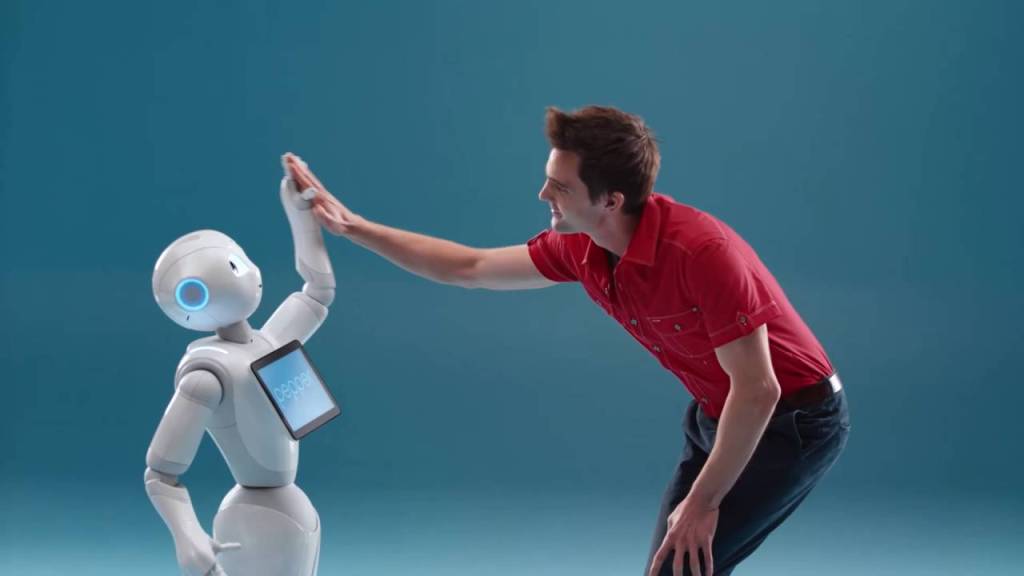
Meet Pepper, the humanoid robot who has been installed in Southend-on-Sea Borough Council, UK. She’s already running around in a number of businesses worldwide, but it surprised me to learn she’s close to home.
Apparently, according to the Open Access Government post, “humanoid robots are making real inroads within social care in other countries”, you should have a glance at their spiel under the To bot or not to bot? section.
Could we ever learn to trust humanoid robots in a world saturated with post-apocalyptic sci-fi stories about androids? Can we really develop them to be useful in meaningful ways? In Tokyo’s Shin-tomi nursing home, 20 different models of robots are used to help care for residents. In a country where a quarter of the population is over 65, it’s easy to see why Japan is heavily investing in this kind of care programme. Shin-tomi utilises robotic pets, Pepper, and devices to assist with physiotherapy, but Shin-tomi nursing home isn’t the only one.
Japan has also been developing a bot called ROBEAR, who can lift patients from beds and move them without causing anyone injury. This caught my attention because my sister works in a care home and is often complaining about having back pains from all the physical strain her job demands.
The deeper you dig into the current state of robotics, the more you discover that there’s a generational time-bomb waiting to go off. People are getting older and birth rates have started to slow down. Robotic developers are trying to create machines that can assist with care, but we’re a long way off from creating something that develops a real, emotional attachment to us. We can use them to lessen chronic loneliness, we can craft them to make working life easier for care staff, but we can’t make them to replace people, so don’t panic yet.
Wouldn’t it be great if we could make back-breaking work easier on people like my sister? If we could develop robots that make the elderly smile? We’re already on the route to such a future.
What are your thoughts? Pessimistic, or positive?

 Willow H. Wood
Leave a comment